domingo, 16 de fevereiro de 2020

Golfo dos Sargassos e Costão de Távira

 https://ahigherstrangeness.files.wordpress.com/2015/05/sargasso-lawson2.jpg


As árvores quase crescem a olhos vistos. Minadas pelas ondas e golpeadas pelos ventos, são lançadas ao mar inteiras, carregando bolsões de terra úmida. Continuam a flutuar de pé, com um emaranhado de cipós entre os galhos ásperos que mais parece uma armadilha para o cordame de uma caravela. Os abalmianos chamam-nas de "greenbergs". Um deles me disse que ao invés do gelo que derrete em alto-mar, essas ilhas ambulantes podem acumular algas marrons de odor podre, detritos carcomidos, carcaças de baleias e um navio ou dois; caranguejos gigantes e umóks amigáveis já foram encontrados nelas.
-Diário de bordo do galeão pirata Bardylis, capturado pela marinha imperial em 1413.

Esta região de naufrágios, árvores flutuantes e feras marinhas é o porquê de navios que partem do império a Kavaja não poderem usar de cabotagem. Além dos "greenbergs", as correntes traiçoeiras entre os corais e a violência dos ventos prometem desastre e perdição; sempre há o temor de que uma ilha logo além das áreas perigosas se revele como o dorso de um monstro marinho incomodado pelos intrusos que queimam o deu dorso com uma fogueira. A camada de algas que cobre a água é grossa o suficiente em algumas áreas para suportar o peso de uma pessoa, mas além de ser pegajosa, basta um passo em falso para ficar enredado em algas ou submergir no mar abaixo. Por estas e tantas outras razões que alguém ouve nos bares dos portos, rotas que contornem Ka'aari só são seguras para navios que possam seguir pelo mar aberto.

Uma linha de quinze faróis demarca a fronteira entre o sucesso e o desastre de uma viagem. Pilares erguidos e abençoados pelo culto de Ourgos ficam sobre rochedos pouco abaixo da superfície, encimados por prismas que brilham devido ao poder de Diveus. Dia sim, dia não, são desgastados por ondas que se elevam acima do farol quando arrebentam. As expedições de reparos são tão ingratas e perigosas que são compostas de aventureiros guardando escravos motivados pela promessa de liberdade no retorno.

Costão de Tavira

Esse é o único porto seguro no Golfo dos Sargassos, mas mesmo assim, apenas embarcações de calado pequeno conseguem chegar até as docas. Uma cidade umók estabelecida sobre e em volta de um enorme sambaqui em forma de ferradura, que por sua vez cobre um recife. O sambaqui cresceu ao longo de centenas de gerações de umóks até se tornar um ilhéu. Além de conchas vazias e ossos de peixes, aqui fica um templo a céu aberto dedicado aos ancestrais, pois os umóks enterram os seus mortos no sambaqui. Dezenas de embarcações encalhadas ao longo dos anos foram viradas de ponta cabeça e erguidas sobre palafitas para servirem como casas. Aquacultura e pesca sustentam cerca de vinte mil habitantes. Eles criam peixes em gaiolas flutuantes e ostras em cordas submersas. Potes de cerâmica servem de armadilhas para lagostas e polvos. Bosques de algas alimentam e provém ingredientes alquímicos.

O folclore oral umók conta que o recife já foi uma ilha, mas três terremotos em sequência a submergiram, junto com uma cidade chamada Pavlopetri. As ruínas da mesma podem ser vistas através da água límpida. Portas e janelas enormes sugerem que os antigos habitantes eram gigantes. A cidade tinha ruas pavimentadas, um porto, oficinas de cerâmica, muralhas e forjas onde se trabalhava o bronze. O topo de uma grande torre torta fica acima da água, servindo de salão para o conselho dos anciões que governa a cidade.

Costão tem várias mercadorias para quem para aqui. Rações de peixe e alga secos; expedições baleeiras trazem muita carne, óleo, cetina e ossos à cidade, quando voltam; artesãos que fabricam as canoas catamarãs características da raça; marujos, caçadores e guias experientes; os umóks criam ostras, usando técnicas secretas para induzir pérolas de muitos tamanhos, formatos e cores específicos, incluindo variações exclusivas para sacrifícios a Nyxcilla; a raça anfíbia também instalou muitas redes e armadilhas em certos pontos para prender itens à deriva, seja madeira à deriva, polvos, canoas abandonadas, botas de couro, lagostas ou baús caídos de navios. Das ruínas submersas, eles recuperam grandes ânforas contendo broches de prata, armaduras de bronze, cadáveres, lâminas de lanças, lingotes de cobre e até machados dourados, tudo do tamanho apropriado para gigantes.

Um produto local exclusivo é o narcótico iakca, extraído de moluscos venenosos. Ele provoca uma grande euforia que é intensificada por adrenalina, gerando grande felicidade em situações de vida ou morte como a caça de baleias, duelos e conflitos. Muitas tribos guerreiras de Ka'aari buscam adquirir estoques de iakca.

A riqueza acumulada pelo comerciante e líder local, Pérolos de Ergas, é tanta que já comprou um título de visconde, reformou um galeão em uma fortaleza flutuante e tem a atenção de uma clientela tão rica quanto influente na política nortenha. O nobre exótico criou uma milícia anfíbia, usando alabardas, elmos e escudos feitos de cascos de tartaruga, e couraças de latão adornadas por pérolas vermelhas e negras. Têm muita experiência em caçar piratas, contrabandistas e caranguejos gigantes em meio às algas, manguezais e um cemitério com lápides feitas no formato de âncoras que acomoda tanto pessoas quanto barcos.

sexta-feira, 14 de fevereiro de 2020

Bazar das Fadas

Um mercado localizado em algum ponto de Numéria. Um lugar cheio de criaturas impossíveis e maravilhas perigosas, onde você pode trocar uma memória amarga pelas cinzas de um elemental d'água. Portais que dão acesso a esse empório estão espalhados pelo mundo, mas sempre em locais inesperados e liminares, tal qual um porão em uma casa decrépita nos limites da floresta, e apenas durante o pôr do sol. Cada portal exige um enigma, um sacrifício e um combate para ser usado.

Uma frota de navios-fantasma tripulados por bruxos, os Caleuches, viajam mundo afora à noite, raptando crianças, atraindo viajantes, atacando comunidades costeiras e saqueando navios afundados. Tudo o que eles adquirem acaba à venda no Bazar. Um Caleuche é um navio branco imaculado e brilhante com sons de festa que consegue submergir e desaparecer sem deixar rastros da sua presença.

https://upload.wikimedia.org/wikipedia/commons/thumb/5/59/The_Flying_Dutchman_by_Charles_Temple_Dix.jpg/640px-The_Flying_Dutchman_by_Charles_Temple_Dix.jpg

O Bazar e os seus portais são protegidos por guardas que não podem viver sem comida e bebida temperados com especiarias feéricas. As mesmas tem sabores e cheiros ilusórios que variam de pessoa para pessoa, mas sempre intensos e viciantes. Muitos dos guardas foram crianças raptadas por fadas. Para alguns, isso aconteceu ontem. Para outros, dois mil anos atrás.Até as montarias que eles usam, que vão de girafas a pégasos, são crianças que foram transformadas em animais. Você consegue ver isso nos seus olhares que suplicam por ajuda.

O Bazar é administrado pela Rainha do Inverno e o Rei do Verão, dois Entes Reais de grande poder que assumem formas humanóides com traços élficos.

O Rei do Verão é gracioso e terrível. Ele representa mudança e energia, caos e emoção. A sua corte de lordes e damas feéricas fica em meio a uma selva cheia de criaturas exóticas, desde corvos espiões tagarelas a lacraias-hidra que adoram filosofar. A Rainha do Inverno é linda e fria como uma geleira. Ela representa estagnação e entropia, ordem e lógica. O seu palácio de gelo é povoado por garotos e garotas que ela trata como filhos e filhas. Para alguns deles, isso é muito melhor do que a vida anterior. Outros só querem voltar para casa. Durante o outono e a primavera, ambos reúnem os seus lacaios e lideram uma viagem pelo mundo, a Caçada Selvagem. Não se sabe o que eles buscam. Talvez a Caçada seja apenas uma distração, mas por onde ela passa, surgem desastres e guerras, embora para certos povos seja um sinal de fortuna e boa sorte. Pessoas que se deparam com a Caçada são abduzidas pelas fadas e forçadas a participar.

quarta-feira, 1 de maio de 2019

Harems of the Kosinbian Princes


    Each prince or princess of Kosinbia has a harem. Most people inside them belong to two groups:
  • Individuals with useful skills to the power and administration of a principality. Pyrographers, hunters, tribal leaders, craftsmen, generals, adventurers, pyromancers, etc. The reliable and competent people that any ruler needs to keep his position and/or the safety and stability of his principality, are united through the bonds of matrimony. Many of said bonds are symbolic, having more in common with the oaths of fealty towards a suseran than a relationship based on love.
  • People without anything or anyone. Orphans, cripples, exiled foreigners. The harem is a charity which receives certain people and offers them a home, food, perhaps some kind of education or training, in exchange for service to the prince or princess.

Amazons of Danxome


Do you see the officers decorated with cowry shells and ruby teardrops? They are from the principalities' harems. Most are women because there are currently more princes than princesses. No kosinbian would fight for someone which isn't willing to suffer personal sacrifices. With the harems here, they know that fighting the orcs is more important than going against rival tribes.
-Common instruction to the newcomers at the Sacrificial Bastions.


     The most famous harem's members are the Ahosi, nicknamed "amazons", of the Danxome principality. Being at the extreme north of Kosinbia, it shields the other principalities from the orc migrations. This results in many orphans and widows. The 12º danxomian prince started the tradition of sheltering these women in his harem, training them so they might seek revenge against the orcoids. Candidates become amazons' aprentices. When one of them kills a beast such as a crocodile, lion, hippopotamus, rhino or elephant, and presents the animal to the prince, she becomes part of the harem. At the wedding cerimony, the prince gifts his new wife with: sword, spear, repeater musket, cowry crown, ammunition and either armor, scepter, drum or shield made from the gifted animal. Many Ahosi are virgins and decided to never give birth, although the relation between an amazon and her aprentice(s) is similar to adopting a daughter. The sacred status of the Ahosi is confirmed when they receive blessings from Kahonua, such as: pyroclastic ammunition, hollow lava balls filled with an incandescent liquid which burst in impact; or brigandine and padded armor made from "Kahonua's hair", light and golden fibers of volcanic glass. Many amazons defend the Sacrificial Bastions, others spend months inside the Orcoid Belt and some travel to outside Kosinbia, exterminating orcs all over the continent.

domingo, 28 de abril de 2019

The Origins of Kahonua and Kosinbia

  Sacrificing yourself for the greater good is a virtue. Dying for nothing is a sin. -Amanirena “snake-cutter” Thákame, herald and prophetess of Kahonua. Prayer of Moto Mapokeo Ya (Fire Folklore), Volume Five.


     Why Kahonua and pyromancers are so important on Kosinbia, to the point that the region despises and even vilifies another ways of magic and other gods? It is because the very idea of "Kosinbia" was born through the pyromancers and the volcano goddess.
     
     The whole region was once divided into countless tribes and groups which could share things such as language, race and difficulties, but didn't saw themselves as equals or part of something greater. In fact, the most common trouble for all were the rivalries and fighting with neighboring tribes.

     In this fragmented world, there were two nomad tribes, unique and somewhat accepted by all:


  • Oayas, predecessors of the pyromancers, were as respected and feared as witches, shamans or wizards, bringing troubles and solutions in equal measure. They worshiped the zebra-goddess Nuami, one amongst many other deities exclusive of one tribe or another. Their blend of supernatural martial art and ritual dance was based on zebras fighting, and practiced in the surroundings of volcanoes.

  • Khayas were iron miners and traveling blacksmiths. But because they kept their techniques to themselves, they were mystified by the other tribes, for they knew how to "turn the earth into spears and swords". Their totem was the termite, called Kahomi, for the clay of the termite hives was one of the secrets used to make their furnaces.

     Both groups had no affinity between themselves. Sometimes, a child of the Khayas was sent to the Oayas for their family thought she had a talent for pyromancy and vice versa. This was common among all the tribes which specialized into an art or craft and had youngs which didn't fit for one reason or another, many of which had nothing to do with talent: a benign way to exile the "black sheep" of the community.

     This was the origin of the future prophetess Amanirena Thákame. She was born among the Khayas, but was taken to the Oayas after her parents died in an orc attack which also prevented her relatives from raising her. The girl wasn't killed in the attack because she managed to throw the orc which killed her parents into the furnace they used. It was seen as a sign that her future was tied to fire.

     Being a teenager when she entered the pyromantic tribe, her perspective ended up being a mixture of a blacksmithing childhood with flaming maturity. In some uncertain moment she defined the idea of union among people hostile to each other, but which knew how to speak and love, against a greater evil: the orcs.

     The oral folklores offer several versions for how she united the two tribes in such a way, that the deities themselves fused into a new goddess which mixed fire and earth into the symbol of the volcano, Kahonua. The romantic version is that she managed to do a wedding ritual for a couple of gods which already loved each other from far away; the most mundane version claims she impressed the blacksmith tribe with a fire so hot it could make steel and the pyromantic tribe when she produced "fire from stone", gunpowder, and thus convinced both how the whole could be more than the mere sum of its parts; another version speaks that she married or got involved with important men on both tribes, influencing them through such men; there are also versions more sordid or peaceful, tragic or mystic. Perhaps those sages which try to rebuild the facts by merging the many versions are closer to the truth.


     What is clear is that she started to lead a nomad alliance which used steel and fire as carbon steel blades, martial arts tempered with impressive magic and something completely new, the first firearms. Primitive cannons and handgonnes, cast in iron and bronze, using a mixture that, perhaps, no one would have discovered without the cultural and religious motivation for it: gunpowder. It was hard to counter the argument that union brings strength when the result breaches stone walls, scares men and animals, kill orcs before they touch you and can be used by anyone with minimal training.

     However, Amanirena didn't use firearms. She wielded the spear Wachumatu and the machete Nyoka-Auaye, both made from the iron which was left in the furnace into which she pushed the orc which killed her parents, now shaped as red-hot blades. The prophetess taught that kill someone was a waste, for a life may and must be sacrificed only for the greater good. Punishments were another matter. With her incandescent blades, she cut and cauterized criminals: fingers, ears and other parts which the guilty had to learn to live without. Executions happened only when someone committed so many crimes that there were no parts to cut anymore.

     Thirty years later, she unified the tribes, organized them into principalities, instituted the amani tradition and began the construction of the Sacrificial Bastions. When her duty was fulfilled, came the reward: the goddess of fire and earth turned her prophetess into the first Nyokakuba, mother of all the others. And in this shape Amanirena lives until today in her nest, the sacred volcanic caldera called Kahonuterasi.

sábado, 27 de abril de 2019

Dhalikastra

I saw a forest made of trees whose roots were made of hundred of fingers, each one with a thousand knuckles; sprouting eye-fruits and ear-flowers; trunk with a bony bark and teeth instead of thorns; great locks of hair in place of leaves.
 -Litua Kortos, lilim of the Dhalikastra's garrison.

     This fortress' role has been to lure nefilims for the last four hundred years, drawing the evils of the Unquiet Lands. If something conquers it one day, the garrison has the duty of warning the world of this. Dhalikastra is shaped as a titanic hexagonal prism, red and bright amidst a land of an opaque, dead grey. The radiance pours out of the goddess Dhalila herself. It sustains, protects and heals the defenders, at the same time attracting nefilims like ants seeking sugar. And when they come, the guardians gather in walled balconies and shoot from arrowslits, protected by heavy adamantine armors. The latter are reinforced with leather and cloth to portect their users from the toxic elements and the ocasional vacuum of the Unquiet Lands. Every helmet must have a glass-sap visor and miasma filters.

    The current castellan is Volya "Smeyas". A blond shardokan, with dark circles under his eyes and grey spots in the arms, wielding a flintlock grenade launcher. Like all which stay here, he adopted a new name for a new life, leaving his old self outside the Unquiet Lands and the terror that they create:
My babuskha, Valeria, told me how the man she loved was attacked from within his own guts, and how she had to kill what was left. She told me of a voyage which lasted a year more than it should, being awakened in the midnight by a feeling of pain and finding saliva and bite marks where it hurt. May Corallin forgive my baba for burning down a forest to escape the Thing That Laughs. When baba died, I sacrificed ten sheep to Corallin so her soul would reincarnate into a better life. Then I came here. Volya means "freedom". I spent my entire life afraid of the stories about the terrors and carnages she saw. I was tired of being afraid, of being a victim of these bastard things with larval teeth. Now, even amidst this hell, I'm happy. You can't imagine how good it feels to be free of the fear which was more intimate to me than my own parents. My nickname here is Smeyas, which means "the one which laughs", because I can laugh in the worst situations. Half of it is due to despair, the other half for the happiness in finally reacting upon my fears, all of it for the chance of exploding a nefilim.

     Like Volyas, most of the defenders had their life marked by nefilims in one way or another. Many came from exile colonies for those which suffer from nefilim leprosy, administered by the Lazarus Order.
Anyone may be a volunteer, no matter the race, beliefs, crimes or status. As much honor as can be had among men and gods, amidst enemies on the battlefield, there can be no honor nor peace among mortals and nefilims. The lilims themselves agree with this. We're all equal when facing nefilims, just food and fun for them. They will regret teaching us to be equals.
     Here also lies an observatory meant to identify nefilim falling nests and the place of their crash. Most of the nests come from the Gharian Planetary Ring, therefore having rich adamant veins. Dhalikastran expeditions depart to eliminate the infestations and claim mining rights over these asteroids. Part of the extracted adamant goes to Dhalikastra. The rest is sold to sustain the exile colonies and the cult of Dhalila.

quinta-feira, 11 de abril de 2019

137 links e materiais para construir mundos

File:Bibliotekarien.jpg

Imagem obtida aqui.


Quer construir um ou mais mundos para a sua campanha, livro ou por diversão? Não sabe por onde começar? Experimente os recursos abaixo! Tenha em mente que alguns links abaixo são conversas do 4chan, então incluem racismo, ignorância e postagens nada a ver com o tema. Mesmo assim são interessantes.


Um guia para construir o seu mundo de fantasia.

2) http://arcadia.net/Cruinne/DnD/Articles/worldbuilding.html
Uma lista dos elementos a se considerar quando se constrói um cenário detalhado.


Bestiário


Um site dedicado a documentar e desenhar criaturas e monstros do mundo inteiro.

Bestiário medieval.

5) https://auroswords.com/hic-sunt-dracones/
Informações em inglês e espanhol sobre dragões.

6) https://www.blackdrago.com/
Site sobre dragões.

Enciclopédia de demônios do mundo inteiro.

8) https://archive.org/details/AChineseBestiary/mode/2up
Bestiário chinês.

9) https://archive.org/details/EncyclopediaOfUndead/mode/2up
Enciclopédia de mortos-vivos.

10) https://archive.org/details/EncyclopediaOfVampireMythologypdf/mode/2up
Enciclopédia de vampiros.

11) https://archive.org/details/BriggsKatharineMaryAnEncyclopediaOfFairies/mode/2up
Enciclopédia de fadas.

12) http://patagoniamonsters.blogspot.com/
Blog sobre monstros da Patagônia.

13) http://suptg.thisisnotatrueending.com/archive/33071790/
Sobre lobisomens.

14) http://suptg.thisisnotatrueending.com/archive/4847968/
15) http://suptg.thisisnotatrueending.com/archive/18442709/
Sobre vampiros.

Cartografia


Um fórum inteiramente dedicado à criação de mapas.

Para quem deseja criar planetas, sistemas solares e outros objetos astronômicos.

Como desenhar um mapa em GIMP ou Photshop.

Um programa gratuito para fazer mapas de fantasia.

Esse é para quem quer simular placas tectônicas.

Como criar mapas plausíveis.

Permite criar desde masmorras a continentes, tanto para fantasia quanto ficção científica.

Para quem quer melhorar os seus rios.

Lições para quem quer fazer o seu mapa.

25) http://www.guildcompanion.com/scrolls/2014/aug/climatefinder.html
Para ajudar a determinar o clima de uma região específica.

26) https://space.geometrian.com/calcs/climate-sim.php
Simulador de climas.

Ambos os links acima ajudam a entender placas tectônicas.

29) https://deepnight.net/tools/rpg-map/
Para fazer mapas de lugares, como tavernas e calabouços.

360 mapas históricos de cidades, da antiguidade ao século 21.


"Conlanging", a construção de línguas fictícias. 


Recursos diversos para construir línguas.

Uma ferramenta para ajudar a construir línguas faladas.

33) https://www.vulgarlang.com/
Uma ferramenta apara ajudar na criação de idiomas imaginários.

Evolução Especulativa


34) http://worldbuilders.info/
Projeto colaborativo para desenvolver o planeta imaginário Epona.

35) http://www.planetfuraha.org/
Projeto para desenvolver o planeta imaginário Furaha.

36) https://canopy.uc.edu/bbcswebdav/users/gibsonic/Snaiad/snduterus.html
Projeto para desenvolver o planeta imaginário Snaiad.

37) https://sunriseonilion.wordpress.com/
Projeto para desenvolver o planeta imaginário Ilion.

38) https://speculativeevolution.fandom.com/wiki/Main_Page
Wiki sobre evolução especulativa.

39) https://specevo.jcink.net/index.php
Fórum sobre evolução especulativa.

40) https://exobiotica.tumblr.com/
Formas de vida imaginárias.

41) https://seademons.weebly.com/
Um site dedicado a imaginar um planeta Terra onde muitos monstros marinhos são reais.


Fóruns


Tem uma questão histórica? Pergunte a um historiador aqui!

O reddit específico para construção de mundos.

Esse site é inteiramente dedicado a perguntas e respostas de “worldbuilding”.


Geradores


Gerador de palavras para línguas construídas.

Gerador de brasões.

Gerador de mapas continentais para fantasia.

Inúmeros geradores para as mais diversas razões.

Um site contendo dezenas de geradores.

Gerador de ilhas.

Não apenas gera nomes fantásticos, o site tem geradores descritivos, um gerador de lemas, outro gerador de brasões etc etc.

Gerador detalhado de cidades, mapas inclusos.

Gerador de mapas de aldeias.

Gerador de cidades, cria lojas e PdMs, mas não inclui mapas.

Outro gerador de cidades, cria PdMs com regras para D&D 3.5

Gerador de mapas urbanos.

Gerador de reinos.

Outro site com muitos geradores diferentes.

Lista de geradores aleatórios.

Gerador de cidades. Cria um mapa, mas ele é muito básico.

Gerador de mapas planetários.

Gerador de mapas de aldeias, cidades, metrópoles etc.

Gerador de aldeias a metrópoles, muito detalhado e que gera um mapa razoável.

64) https://www.nomesdefantasia.com/
O nome já diz tudo.


Miscelâneas


Detalhes sobre piratas, a sua historia, piratas famosos, vida a bordo de um navio pirata etc.

Para quem quer saber mais sobre as mais diversas embarcações usadas ao longo da história humana.

Como o nome indica, coisas interessantes: plantas que emitem calor, circuitos desenvolvidos conforme a teoria da evolução...

Uma guia sobre construção de mundos, com 312 páginas e escrito por vinte autores.

Outro guia de construção de mundos. Escritores incluem Monte Cook, Keith Baker e vários outros.

Testemunhos escritos dos mais diversos momentos históricos.

Sobre como nomear lugares.

Se o seu cenário inclui aventuras espaciais, sugiro consultar esse site.

Um guia extenso de xenologia, a ciência que estuda formas de vida extraterrestres.

74) https://archive.org/details/Encyclopedia_Of_Agriculture_And_Food_Systems/mode/2up
Enciclopédia de agricultura.

75) http://flyingpenpress.com/DavidRozansky/blog/government-types/
Tipos de governos para fantasia e ficção científica.

76) https://medium.com/migration-issues/notes-on-medieval-population-geography-fd062449364f
Informações sobre densidade populacional medieval.

77) http://www.foodtimeline.org/index.html
Uma extensa e detalhada linha do tempo sobre comida.

78) http://inkwellideas.com/worldbuilding/worldbuilding-religion-design/
Guia sobre como criar uma religião fictícia.

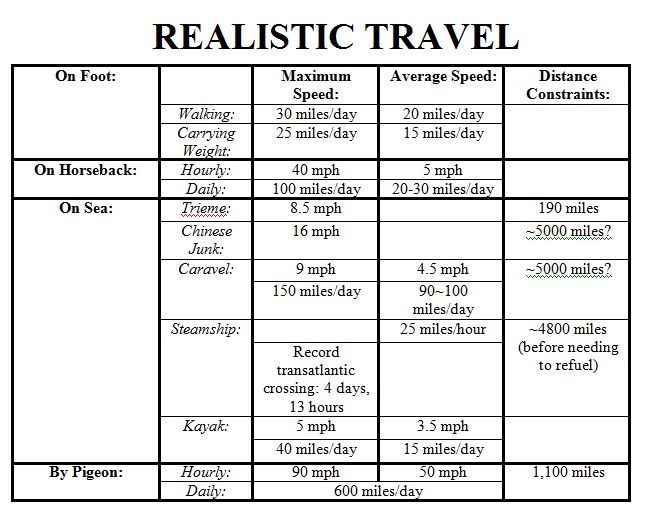
Tabela sobre tempos de viagem realistas.

Site sobre lugares diferentes e pouco conhecidos.


Organizando as anotações


Os links abaixo são para sites e aplicativos que ajudam você a pôr ordem na bagunça de informações sobre o seu mundo ou cenário. Não acho que um ou outro seja melhor, sugiro testá-los para ver qual é mais do seu agrado.


Questões Militares


Blog que informa sobre o exército bizantino, suas forças, batalhas e estratégias.

Um blog dedicado a explicar sobre o exército chinês da Era Ming. Inclui curiosidades como armaduras feitas de papel.

Saiba mais sobre como os mestres europeus lutavam com uma espada em cada mão.

Informações acadêmicas sobre guerra medieval. Inclui fontes primárias.

94) http://www.salimbeti.com/micenei/
Sobre armas e guerra durante a Era do Bronze Grega.

95) http://www.freelanceacademypress.com/duelingshield.aspx
Sobre o escudo de duelos.

96) http://www.atarn.org/frameindex.htm
Site dedicado à arquearia asiática.

97) http://myarmoury.com/features.html
Dezenas de artigos sobre armas, armaduras e exércitos.

98) https://sellsword.wordpress.com/
Informações sobre mercenários medievais, renascentistas e pós-renascentistas.

99) http://warshipsresearch.blogspot.com/
Sobre navios de guerra, da Antiguidade ao século 20.


Referências culturais e mitológicas


Ideias de como usar os diversos folclores africanos em fantasia.

Informações sobre o folclore chinês, e como usá-lo em fantasia.

Um livro inteiro sobre a Índia da Era Mogul.

Detalhes sobre cada cultura existente no mundo.

Para saber mais sobre a mitologia germânica.

Mitologia dos inuits, também conhecidos como esquimós.

Minúcias da mitologia japonesa que você nunca viu antes.

Dedicado à história antiga. Gregos, romanos, garamantes...

Tudo sobre a Era Medieval.

Coleção extensa de textos a respeito da civilização romana.

Coleção de textos sobre dezenas de mitologias e culturas. Inclui até fantasia pré-Tolkien, como o venerável Lorde Dunsany.

Detalhes, embasados na arqueologia, sobre os gregos durante a Era do Bronze. Se Hércules e Aquiles existiram realmente, eles eram conforme descrito aqui.

O site mais completo que existe sobre a mitologia grega.

113) https://archive.org/details/OBrasilDosIndios/mode/2up
Para descobrir o Brasil pré-Cabral.

114) https://pib.socioambiental.org/pt/P%C3%A1gina_principal
Site sobre os povos índigenas do Brasil.

115) willsull.net/resources/HumanUniversals.pdf
Uma lista dos elementos universais das culturas humanas.

116) http://www.gutenberg.org/wiki/Folklore_%28Bookshelf%29
Livros de folclore de diversas culturas.

117) http://www.gutenberg.org/wiki/Anthropology_(Bookshelf)
Livros de antropologia.

118) http://www.gutenberg.org/wiki/Category:Religion_Bookshelf
Livros de e sobre várias religiões.

119) https://pantheon.org/
Enciclopédia de mitologia, folclore e religião.

120) http://www.iranicaonline.org/
Enciclopédia online sobre a cultura iraniana.

Enciclopédia sobre o Budismo.

122) https://archive.org/details/EncyclopediaOfIndoEuropeanCulture/mode/2up
Enciclopédia sobre a cultura Indo-européia.

123) https://archive.org/details/EncyclopediaOfTheAncientGreekWorld/mode/2up
Enciclopédia sobre a Grécia Antiga. 

124) https://archive.org/details/ConstanceA.JonesJamesD.RyanEncyclopediaOfHinduism/mode/2up
Enciclopédia sobre o Hinduísmo.

125) https://archive.org/details/EncyclopediaOfAncientAsianCivilizations/mode/2up
Enciclopédia sobre as civilizacões asiáticas da Antiguidade.

126) https://archive.org/details/EncyclopediaOfAncientEgypt_201802/mode/2up
Enciclopédia sobre o Egito Antigo.

127) https://archive.org/details/historyanddescr01porygoog/mode/2up
Descrição da África, escrita por Leão, o Africano, um mouro que viveu no século 16.

128) https://archive.org/details/cu31924020419275/mode/2up
Mitos do México e do Peru.

129) http://www.mangkukulam.com/
Folclore, mitologia e monstros das Filipinas.

130) https://hariragat.blogspot.com/2014/03/building-southeast-asian-settings-part-i.html
131) https://hariragat.blogspot.com/2014/04/on-southeast-asian-settings-part-ii.html
132) https://hariragat.blogspot.com/2014/05/highland-southeast-asia-for-your.html
Os três links acima dão dicas para criar cenários baseados no sudoeste da Ásia.

133) http://sms.zrc-sazu.si/index.htm
Jornal de estudos mitológicos eslavos.

134) http://suptg.thisisnotatrueending.com/archive/49940009/
Informações diversas sobre Siquismo, beduínos, pachtos e berberes.

135) http://suptg.thisisnotatrueending.com/archive/18350298/
Sobre como desenvolver um cenário de fantasia baseado nas 1001 Noites.

136) http://suptg.thisisnotatrueending.com/archive/55657420/
Ideias e dicas para criar um cenário baseado na Ásia Central.

137) http://suptg.thisisnotatrueending.com/archive/47922177/
Informações sobre o folclore judaico.

segunda-feira, 19 de novembro de 2018

Slavery in the Northern Empire


https://blogger.googleusercontent.com/img/b/R29vZ2xl/AVvXsEhoyAIlrh85PmxVD3RRBbl7LYdidAc6pnW8xrFFdrnMaacGTZT2rrXsBLPpLA-TwHapW4mgoFnzhaitNDHlX2VVq2BAUTr4f9UNpCcrD6Ii2pj6DRKQhrA-Zmx4RWG-3RSrCJrilk55BA/s1600/Boulanger-gustave-clarence-rudolphe-french-1824-1888-the-slave-market.png

All people are born unequal in the Northern Empire. A few have more rights and duties than most, due to the privileges of an aristocratic title. Most are free men, from the hungry peasant to the merchant buying another ship. A lot has few rights and many duties: slaves. Slavery is more than a chain around your neck. It is the disdain from whoever passes by, the feeling of knowing exactly how much you are worth to others, the restrictions you follow on reflex. But controlling the body is easier than controlling the mind, and being a slave is a condition marked by punishments and curfews. Even so, the familiarity and possible secrets known by a slave may make an owner as fearful and hateful of a slave as the latter is of the former Not only individuals and families, but institutions and organizations such as temples, guilds, fiefs and the empire itself can own slaves. Among the few rights slaves have, are included: they can't be beat on public; the assassination of a slave is considered a crime of murder, and not destruction of propriety; and all slaves may even receive a monthly wage, accumulating and using it to buy their own freedom.

On average, slaves have difficult lives, often brutal and short. But like all averages, this represents a huge variety of situations. And like in every social class, there are subdivisions. A slave's condition reflects his or her job. A veterinary slave of the Northern Empire is much more important, respectable and expensive than a public slave ordered to clean the streets of the city which owns him. A physician slave has living quarters and social status far beyond an ordinary citizen, although the latter has a greater legal status. Loyalty and trust also make a difference: the newly grown up elf may give freedom to the dwarf nanny which took care of him in his childhood. Another important slave's jobs include treasurer, overseer, secretary, gladiator etc. In the other extreme, mine workers may have their lives counted in months.

Melucia's cult fights against the bad treatment common in the commerce and use of slaves, for they consider it contrary to the principles of love and pleasure of their goddess. Many of her temples don't accept faithful which own slaves, and petitions to close slave markets are common. They also finance several adventurers, know as "Lovers of Freedom", which fight against slavery. They usually board slave ships in the seas, and many don't limit themselves to illegal trafficking, freeing and helping slaves whose ownership is legal in the eyes of the Empire. The cleric of Melucia, the countess Eliseé Beminni, regularly buys slaves through third parties to then free and equip them, so that they may attack enslavers outside northern territory. Their favorite target is usually the city Numantia Berriak, a market in the Fiery River from which leave tens of thousands of slaves every year. Some years ago, the local chieftains wrote a letter to the emperor Basileus, asking for intervention, friendship and free trade. They were ignored.

Ourgos is also a god popular among slaves, for he represents hard work, and also why many artisans are or were slaves and acquired freedom through their craft. The slaves belonging to the cult of Ourgos are usually more valued, for manual work is a way to worship the God of Labour. Another god important to the slaves is Carnificius. In his role of divine punisher, he is worshipped by slaves which may pass through unfair punishments. Many of the servants of the God of Death, the maganchos, are slaves themselves, punishing owners and masters which abuse the people which belong to them.

Slave escapes can happen any time, anywhere. The problem is that this facilitates the existence of vampires, which can abduct a slave in the security that said slave is considered a runaway. Even great urban centers can house vampire covens due to this, and many regions have thorough slave censuses for this reason. However, there are rumors about the duchy of Chouette. This is one of most recent duchies, established in the northern shores of the Fiery River only seventy five years ago, thinly populated and very reliant on slaves for its economy. Carnificius' cult is specially strong here, not only due to the huge number of slaves, but also because they are the main opposing force to the vampires infiltrated in the aristocracy and administration. Here, many maganchos specialize in hunting vampires, undergoing a war hidden behind slave uprisings and class conflicts.

At the end, imperial slavery implies a bizarre kind of equality. Anyone in the Empire can become a slave if they have bad lucks such as debts, kidnapping, political intrigues, exile, crime, trickery, defeat in battle etc. And while imperial scholars debate the merits and problems of slavery, they leave out a common and meaningful effect: that anyone can look around and see someone in a situation so bad that one feels better in response. This is possible even for most slaves, and perhaps the best stimulus to please their owners and acquire their freedom.

Hope is the vice of the hopeless.
-Graffiti found at the back of the slave market at the city of Raeti.