domingo, 23 de fevereiro de 2020

South American Bestiary - Part 2 of 4

https://upload.wikimedia.org/wikipedia/commons/c/c7/Ceremonial_Knife_%28Tumi%29.jpg
A tumi sacrificial knife. Attribution: Sean Pathasema/Birmingham Museum of Art


How do you do folks? I thought I would gather and show some of the creatures found on South American folklores. The whole list has 105 creatures, so I'm dividing it in four parts. Please note that such myths have several iterations which may not be here. I also plan to later make D&D5E stats for a few of these creatures. First part here.

27) Curupira - “Curu” = boy and “pira”, body, meaning “with the body of a boy”. According to the legends, this creature has bright red hair, resembles a man or a dwarf, but its feet are turned backwards. Curupira lives in the forests of Brazil and uses its backward feet to create footprints that lead to its starting point, thus making hunters and travelers confused. Besides that, it can also create illusions and produce a sound that's like a high pitched whistle, in order to scare and drive its victim to madness. A Curupira will prey on poachers and hunters that take more than they need of the forest, and he also attacks people who hunt animals that were taking care of their offspring. In some versions, he has a wife called Yatacy or Tatámanha and they have children. May carry a wooden axe.

28) Cupendiepes - a tribe of man-bats which raid nearby villages at night, using spears and axes to kill people. The best way to fight them back is to find the cave in which they hide by day while they sleep, and block its entrance.

29) Curinqueãs - Tribe of black giants. Their lips and noses have golden piercings. They're few in number, but most amerindians seem to fear and respect them.

30) Decapitator god (we don't know his real name) - From the Moche civilization. Half-man, half-jaguar, often represented holding a vicious looking sacrificial knife (tumi) in one hand and the severed head of a sacrificial victim in the other. The god may also be depicted as a gigantic spider figure ready to suck the life-blood from his victims.

31) Devil's Garden - The ant Myrmelachista schumanni creates devil's gardens by systematically poisoning all plants in the vicinity except D. hirsuta, the tree in which it nests. The ant poisons the plants by injecting formic acid into the base of the leaf. By killing other plants, the ant promotes the growth and reproduction of D. hirsuta, which has hollow stems that provide nest sites for the ants; a single ant colony might have more than 3 million workers and 15,000 queens, and may persist for more than 800 years. Devil's gardens got their name because locals believed that an evil forest spirit Chullachak lived in them. He is said to persuade his victims to follow him deep into the jungle where even experienced trackers cannot find their way back. He does this by taking the form of a family member or a loved one long not seen, or disguising himself as a prey animal. His uncanny ability to replicate others makes him impossible to tell apart, except for his mismatched feet.

32) Dog - Dogs were sometimes believed to be able of moving between life and death and also see the souls of the dead. In addition, the Inca believed that unhappy dead souls could visit people in the form of black dogs.The Aymara people of Bolivia were reported to believe that dogs were associated with death and incest. They believed that those who die must cross an ocean to the afterlife in the ear of, or on the nose of, a black dog.

33) Eintykára - These are stingless bees whose honey can produce hallucinations, because of a fungus living in the plants visited by the bees. But the real fantastic ability they have is to unite and shapeshift into a man, of milky white skin and hair as golden as honey. The legend says that one hive actually married a woman and had children with her. The whole village came to admire him, for he was intelligent, worked hard and, when going into the forest, he would turn back into the swarm and gather nectar. His body then produced wax and honey, which he would distribute among the villagers.

34) Ehéie - A beautiful woman with poisonous snakes in her womb which bite the penis of whoever has sexual relations with her. It seems the snakes also suck the blood, so the Ehéie is a vampire.

35) Ewaipanoma - South american blemmyes. They're described as a "nation", which most likely means that they're a distinct tribe. Their eyes are on their shoulders and their mouth are on their chests. A long train of hair grows backward between their shoulders. Blemmyes also appear on the Piri Reis map as bearded and red-haired.

36) Furufuhue - There is a myth which explains the bitter Patagonian winds as being created by an enormous and mysterious creature resembling a cross between an eagle and a fish. This bird is the size of a Mapuche hut and its body is covered with shiny scales instead of feathers. Furufuhue is seldom seen, but its song is heard at a great distance “even in the whole world”.

37) Goshg-e - A quadruped monster which kidnaps children at night and devours stray hunters. It was arrow-proof due to its armadillo-like shell. It seems the myth was made up based on the shells of glyptodons.

38) Huaca - The Incas believed that gods, spirits, and long-dead ancestors could be manifested on earth in the form of natural features such as mountain peaks (apu), rivers, springs, caves, rocky outcrops, and even peculiar shaped stones. These places were sometimes modified to accentuate unusual features and were treated as shrines with special power to influence reality. They were known as huacas (wak'a) and, in the case of stones, were taken for safe-keeping in palaces and tombs, on occasion, even transported on military expeditions. People left offerings at huacas, especially sea shells, textiles, coca, precious goods, clay figurines, and sacrifices were made, most commonly of llamas and guinea pigs. The Quechua people traditionally believed every object has a physical presence and two camaquen (spirits), one to create it and another to animate it. They would invoke its spirits for the object to function. The incas also believed that the tenth inca ruler, Túpac Yupanqui, could talk with the huacas and thus know past and future events.

39) Huancahui - Called the "laughing falcon" because his cry sounds somewhat like someone laughing.  He possesses magical powers and is even able to catch fierce snakes, upon which he is said to feed. According to this Iquitos legend, if an Amazonian shaman is able to learn the song or icaro of the Huancahui, he can also dominate snakes just like the Huancahui does. However, if he fails to chant the song perfectly, he will be besieged by snakes and die. Properly sung by the shaman, his icaro will stunt a snake and defeat it, leaving it impotent and unable to bite.

  
40) Huayramama (“Mother of the Wind”) - One of the three ancient snake mothers of the Peruvian Amazon. She is believed to be an enormous boa with an old woman’s face and very long hair that tangles in the clouds – in comparison, her counterparts the Sachamama and the Yakumama are the boa constrictor and the anaconda, respectively. The guardian of the air and the daughter of the red huayracaspi or “wind tree”, she is herself the mother of all the good and evil winds. Huayramama also grants power to deserving healers and shamans, giving them control over the weather.

41) Iara - A beautiful mermaid with green hair decorated by red flowers, copper-colored skin and brown eyes. Some say she is half-dolphin or half-manatee instead of half-fish. She would sit on a rock by the river combing her hair or dozing under the sun. When she felt a man around she would start to sing gently to lure him. Once under the spell of the Iara a man would leave anything to live with her underwater forever, which was not necessarily a bad thing, as she was pretty and would cater for all needs of her lover for the rest of his life.

42) Icamiabas - The woman warriors found by Orellana near the river which he then named "Amazon". It is said that numerous tribes paid tributes of bird feathers to them. The Icamiabas were worth ten men in battle, using bows and arrows. If their indian thralls tried to run away from the battle, they would kill the deserter with clubs. Tall and of fair skin, very long hair which was braided around the head. Naked save for their genitals. The Icamiabas lived in seventy walled towns built with stone. Their queen was called Coñori, their lands were rich with gold and silver, as well as five temples, called caranaí, dedicated to the sun, whose internal surfaces were gold-plated. Men could come inside said cities, but they should leave before it was dark. The green amulets called Muiraquitãs were said to be gifts of the Icamiabas to all those Indians who annually visited their camp at the river Nhamundá. Once a year, during a ceremony dedicated to the moon, the Icamiaba received the Guacaris warriors with whom they mated. At midnight, they dived into the river and brought up a greenish clay in their hands, which they molded into various forms: frogs, turtles or other animals, and presented these to their loved ones. Some versions say that this ritual would take place in an enchanted lake named Jaci uaruá ("mirror moon" in Old Tupi: îasy arugûá). Retrieved from the bottom of the river and shaped by the women, the still soft clay hardened in contact with the elements. These objects were then strung on the strands of hair of their brides and used as amulets by their male warriors. To date, this amulet is considered a sacred object, believed to bring happiness and luck and also to cure almost all diseases.

43) Ihuaivilu - When a group of calcus (shamans) choose a cave for their reunions, they perform a large ritual to summon a Ihuaivilu to guard it. This monster is a dragon with a snake-like neck. It flies by using strong winds and has a fire breath which can put aflame whole fields or groves. It roars like thunder and its passage throught the air leaves a green trail.

44) Inkarri - It's said that the last Inca king was supposedly beheaded. But his head, buried somewhere, is either regenerating his body or waiting to be reunited with it. When this is done, he shall rise and rebuild the Inca Empire. Other versions say that it is the body which is regrowing a head, because the original head was taken to Spain. Further tales say that his return heralds Judgement Day.

45) Inulpamahuida ("mountain climber") - A tree without roots. But it has many clawed branches which it uses to climb the mountains.

46) Ipupiara - An aquatic man-eating mermen. It had hair all over its body and whiskers, so think of it as half man, half sea lion. 3.30 meters long. It kills people by hugging them until they suffocate. Female ipupiaras had long hair and were "fair to look at".

47) Irapuru - A magic red bird, symbol of happiness. It was a young indian cursed by a chief due to being in love with the latter's daughter. It begun a beautiful song. The chief heard it and went inside the woods to capture the bird, becoming lost forever in the process. The Irapuru still sings to this day, hoping that the girl he loves will recognize him. Whoever finds this bird may have a wish come true.

48) Jasy Jatere - One of the seven cursed children of Tau and Kerana. He is usually described as being a small man or perhaps a child, with light blonde hair and sometimes blue eyes. He is fair in appearance, sometimes described as even beautiful or enchanting, and carries with him a magical wand or staff, sometimes described as a golden cane, although what clothing he wears, if any at all, does not seem to be an important part of the legend. Like most of his brothers he dwells in the wild, he is considered to be the protector of the yerba mate plant. Sometimes he is also viewed as a protector of hidden treasures. It is said that Jasy Jatere's power stems from the magical staff that he carries, and if one is able to take it from him, he breaks down and cries like a little child. In this state, one may ask him for the treasures that he is protecting in return for the staff, not unlike a captured leprechaun who must reward his captor with a pot of gold.

49) Kaalimatu - A small waspman who served as a messenger for Made-from-Bone, a trickster deity. He helped the latter to defeat Sickness itself by plugging up its blowgun.

50) Kanaíma - An evil spirit which possesses people and makes them go into a murderous rage. Said people might or might not turn into animals as well. Assassins and people seeking revenge sometimes called upon this spirit through drugs and magic rituals. The usual method of killing the target is with stealth and a poisoned arrow. So it's like a berserker ninja shapeshifter. Further lore talks about a certain tree whose sap, once rubbed in one's skin, makes one go mad and turn himself into an animal, usually a tiger** or a snake. Throwing this sap at people seems to cause the same effect. Some tribes believe that either the spirit, or the person possessed by it, can use an invisible poisoned arrow, practically a magic projectile of some sort, and that said arrow leaves a blue spot somewhere in the target's body. Even if the kanaíma manages to kill his target, he has to visit the corpse three days later and lick off a bit of its blood. This can be thought of as an offering to the kanaíma spirit so that it leaves his body. If he can't do so, he can't return to his tribe, remaining an outlaw that must be killed in sight even by his family. He also further sinks into madness until death, for the spirit isn't pleased. There is a large-leaf plant, the caladium, which serves as a sort of magical proximity detector of kanaíma spirits. When one of the latter comes close, the plant emits a long low whistle and somehow shakes the target's hammock to wake him up.

51) Kawtcho - Nocturnal spirit described as resembling a very tall man, with hard and straight hair covering its head, "a gigantic brawny body and sharp claws," and a smell so putrid that it could awaken dogs. It was said to "walk under the ground" during the day, coming out at night to prowl the beaches, attacking people from behind to tear out their eyes and kill them. Out of fear of attracting the kawtcho, the Alakaluf refrained from lighting fires in the open during the night.

52) Kiantô - A giant snake colored as the rainbow. It rules a "realm of the waters" with its own people and animals.

53) Kori - It has the appearance of a giant anteater, except far larger, and it lives underwater in the rivers. It uses its large claws to dig under riverbanks, causing their collapse, and that is why this is such a common occurrence in the rainforest. A kori can also cause strong gales to destroy constructions, and can turn soil into water to drown people.

Part three here.

sábado, 22 de fevereiro de 2020

South American Bestiary - Part 1 of 4

https://upload.wikimedia.org/wikipedia/commons/thumb/2/2d/Amazonas-Flussdelfin_Orinoko5.jpg/766px-Amazonas-Flussdelfin_Orinoko5.jpg
A boto. Image acquired here.


How do you do folks? I thought I would gather and show some of the creatures found on South American cultures, mythologies and folklores. The whole list has 105 creatures, so I'm dividing it in four parts. Please note that such myths have several iterations which may not be here. I also plan to later make D&D5E stats for a few of these creatures.

1) Abaçaí - A sort of indian Pan. A spirit which leads one to dance, sing and party. It possesses the person, leading him or her into a trance. The Abaçaí can also transform into any animal, person or object.

2) Abúhukü - Nocturnal creatures who embody disease, death and other evil things. They associate with the spirits of dead poisoners, murderers, and male adulterers. They have an extra face in the back of their head, and sticky bodies that make escape from their embrace impossible. An abúhukü will cut a hole in the skull before sucking out the innards of its victim . Sometimes prey is rolled in palm leaves and tenderized. Either way, they leave an empty skin hanging from a branch. The abúhuwa were once far more common, and were allied with a race of evil jaguars that worked with them to decimate human populations. Humanity got a respite after a series of floods and fires that reduced the numbers of both predators.

3) Ajaklalhay - A tribe of birdfolk. It is said that, as the number of human tribes, deities and shamans grew, these birdmen felt their value decreased. So they decided to burn themselves into a huge bonfire from which they were reborn as all sorts of normal birds. But it is also said that not all of them went into the bonfire. The Ajalalhay knew how to talk with animals, how to summon storms, invoke lightning and strong winds.

4) Alicanto - These birds bring luck to any miner who sees them because they feed on gold and silver. If the lucky miner follows an alicanto without being caught, they can find silver or gold. But, if the alicanto discovers them, the bird will guide the greedy miner off a cliff or into a ravine and cause them to fall to their death. The alicanto's color depends entirely on their diet. If the alicanto eats mostly gold, then their feather's color will mirror that, the same goes for silver. They make their nests near hillsides and caverns where they can collect gold and silver to eat. One account I found says the alicanto is too heavy to fly and that it has a curved beak and long legs which end on claws.

5) Amaru ("snake") - A gigantic two-headed snake, the andean equivalent to the dragon. In what seems to be the original written legend, it was turned to stone. it is mentioned that the natives used the dust from the body of the petrified Amaru to heal their ailments. The Amaru is usually associated with the underworld, the earth and seismic movements. This creature is said to cause tremors and earthquakes when it moves through the depths of the earth due to its huge size. It is important to point out that the Amaru of the legends is not always a unique, individual entity; indeed, in a few tales it appears as if there is just one Amaru, but most of them seem to suggest that there are actually several more of them. After the Incas were conquered and the region was influenced by spanish culture, the Amaru gained aspects of european dragons such as wings.

6) Anchimayen - Anchimayens are described as little creatures that take the form of small children, and can transform into fireball flying spheres that emit bright light. They are the servants of a kalku (a type of Mapuche sorcerer), and are created from the corpses of children. It isn't clear to me if they're the same creature as the Anchimallén, which is a type of man-eating dwarf which lives in caves, throws rocks at people and uses spears. It might be that the legend changed over time as all legends eventually do.

7) Andurá - A tree which flames up at night. It seems that this doesn't harm it whatsoever. Sounds useful as a landmark or as a source of fire.

8) Anhanguá - A spirit which protects animals, specially the females and young ones. There may be more than one. It usually appears as a white deer with red eyes, but can assume any shape. One tale says that an amerindian once tortured a young fawn so its screams would attract its mother. When the latter came, he killed her just to realize that the Anhaguá had used an illusion and that he had killed his own mother.

9) Ao Ao - As one of the cursed sons of Tau and Kerana, it is one of the central mythological creatures among Guarani-speaking cultures. The Ao Ao is often described as being a voracious sheep-like creature with a massive set of fangs. Alternatively, it is also described as being a large, carnivorous peccary. Its name is derived from the sound that it makes, howling "Ao ao ao!" when it is pursuing its victims. The original Ao Ao is said to have profound reproductive powers and thus sometimes is identified as being the Guarani spirit of fertility. Ao Ao produced many offspring who are cursed in the same manner, and collectively they served as lords and protectors of the hills and the mountains. It is said to have people as its sole source of food. According to most versions of the myth, the Ao Ao, upon locating a victim for its next meal, will pursue the unfortunate person over any distance and over any terrain, not stopping until it catches its prey. If a person attempts to escape by climbing a tree, for example, the Ao Ao will circle the tree, howling incessantly and digging at the roots until the tree falls. In fact, according to the myth the only way to successfully escape from an Ao Ao is to seek shelter by climbing a palm tree. The tree contained some unknown power against the Ao Ao, and if its intended victim did climb one, the creature would howl in defeat and leave in search of another meal. Ao Ao is known for eating clothes.

10) Apu ("lord") - These are the spirits of the mountains - and sometimes solitary rocks and caves, that protect the local people in the highlands. One for each mountain.

11) Boi Vaquim - A winged bull with golden horns which exhale fire. Its eyes are two diamonds. To catch it with a lasso, one must have a fast horse, be brave and have a strong arm.

12) Boiúna ("Black Snake") - Nocturnal black snake creature which is the most powerful creature of the rivers within the Amazon rainforest. It can take on various shapes in order to frighten away any fishermen that enter its territory. Some of the forms the Boiúna can take on are a canoe, a sailboat, a transatlantic, and a woman.

13) Boitatá ("Fire Snake") - The legend says that the woods suffered a period of darkness. There was a huge flood as well. All the animals ended up on a hill. A snake woke up due tot he flooding. It was starving and went out to eat. It had the advantage of being the only animal which could see in the dark. For some reason, it only ate eyeballs, so many that they filled its body, making it luminous and flaming. Whoever finds the Boitatá may become blind, crazy and even die. Some believe it protects the woods from people which may set it on fire.

14) Boraro - Both a creature and its red skin, which seems to lead people to become feral or boraro-like. The Boraro’s skin myth is the following: a man found the skin of a boraro while its owner was fishing shrimps, “the skin was like clothing; the boraro always removed it to swim”, the man put the skin on, and it took control over him. It made him do some dreadfull things: kill and eat the boraro, go to his home and take over his place there –even sleep with his wife. Years later he returned to his tribe and told his story. He went back with a relative to the boraro territory and the relative donned the boraro wife’s skin while she was fishing. They ate the woman and returned home. Their kinsmen refused to believe them so all went back to the boraro land. The two original men put on the boraro furs, killed and ate the other men. Boraro is also another name for the Curupira, seen below.

15) Boto - The name of the river dolphins of the Amazon River. It is also the name of the legend associated with them. It is said that during parties and festivals, the boto turns into a handsome man dressed in white clothes and with a white hat which hides the nostril atop his bald head, for it doesn't go away even after it transforms. He seduces young women and sometimes makes them pregnant. So when a woman has a child of an unknown father, it is said the kid is "child of the boto".

16) Caboclinho do Mato - a little man living in the woods. He is one of the spirits which teach the shaman apprentices. He was an ordinary amerindian which drank so much ayahuasca (a psychoactive beverage) that he was transported to the spiritual world, body and all, without dying.

17) Cabra Cabriola - A goat-like monster which causes fear and eats children, "two at a time", so when I used it in my table, I made it up with two heads. It can run along hills and valleys.

18) Caipora - a dark-skinned, small amerindian, naked with a very long red mane, smoking a cigar and very mischievous. Sometimes Caipora is depicted as a girl and other times as a boy. The representation of the creature varies among the different regions of Brazil, and is sometimes confused with Curupira, which is another mythological creature who protects the forest. In some regions, the indigenous tribes believed that the Caipora was afraid of the light. For this reason, they would walk around the forest protecting themselves using firebrands. Some say it rides a great peccary holding a stick. In some other areas of Brazil, the Caipora is considered to be a cannibal and would eat anything, even the smallest insects. The Caipora is known as a forest dweller, as a king of the animals of sorts, and is very vengeful of hunters who do not respect the rules of "fair-play" when hunting. It is told that it scares away prey and "hides" animal tracks or makes hunters lose their way in the jungle. It disorients the hunters by simulating animal noises and by leaving fake tracks.

19) Caleuche - A large ghost ship sailing the seas around Chiloé (a small island off the coast of Chile) at night. It is said to be a being who is conscious and sentient. The ship appears as a beautiful and bright white sailing ship, with 3 masts of 5 sails each, always full of lights and with the sounds of a party on board, but quickly disappears again, leaving no evidence of its presence. The ghost ship is also known to be able to navigate under water. It is the magic ship that the Warlocks of Chiloé use to have parties and transport their goods. It is also used by the warlocks every three months when they go on a journey to improve their magical abilities.

20) Camahueto - Bull with a small horn on its forehead. The horn is the most valuable part of the animal, used to plant small pieces in the earth from which other camahuetos will grow. When it has grown, it erupts from the earth with such force that it leaves a tremendous hole and drags down everything in its path in a rapid race to reach the sea. A sorcerer will stalk and capture the camahueto with a lasso and tear out the horn and bandage the opening. Afterwards, he will use the horn for curing many kinds of illnesses. One use of the horn is to scrape shavings from it into a mixture of sea water and apple cider until it turns into vinegar and coarse salt. This potion has the capacity to restore the vitality of older men and to those who have become impotent. Users of this preparation claim to have become like Hercules and gain the reputation throughout the islands as "a man like a trauco".

21) Capelobo - It's humanoid and hairy but its head is like an anteater's. You find out it is nearby due to its loud screaming. It likes to eat kittens and puppies. Its hooves are perfectly round, so even if you see the tracks you can't know which way it went. Its hands are clawed so it may crush open a person's skull and suck its brain. Some versions like to drink the blood instead.

22) Carbunclo - A carbunclo has a shining mirror on its head. The creature itself produces a bright bluish-white glow from its body, easily visible from over a league away. A carbunclo is larger than a mouse, perhaps cat-sized, and has a segmented body shaped like a small corn cob. The light is produced from within and shines out from gaps in the body segments. If an enemy is detected, the shell clamps shut, extinguishing the light and camouflaging the creature as an ordinary stone. I personally imagine it as a sort of giant woodlouse. Carbunclos are also capable of leaping and running swiftly. Miners try to catch carbunclos, because their bodies contain valuable ores.

23) Carcancho - Patagonian Bigfoot. These hairy men led a solitary existence in the mountains and meadows feeding on tubers. They could measure up to 2 m (6 ft. 7 in.) tall in the mountains, but were dwarfish (1 m – 3.3 ft.) in the lowlands, where they lived burrowing underground. They walked in the snow and their large foot-prints were the only clues of their existence.

24) Cherufe - An evil humanoid creature made of rock and magma. It is said that it inhabits the magma pools found deep within Chilean volcanoes and are the source of earthquakes and volcanic eruptions. Cherufe are also said to be the source of "magicians' ardent stones" (meteorites and volcanic stones) that cause damage in volcanic regions. The only way to abate the Cherufe's appetite for destruction was to satiate the beast's taste for human flesh by throwing a sacrificial victim, usually a maiden, into the bowels of its volcanic home.

25) Cuero - A creature that looks like a cowhide stretched out flat and laid on the surface of the water. It is usually white with black or brown spots. It has hooked claws along the edges. For some, these monsters are damned souls. In central Chile the cuero is an octopus that resembles a cowhide with numberless eyes and with four enormous eyes in its head. Anything that enters the water is engulfed and squeezed in the cuero’s folds, and dragged under to have its blood sucked out. After feeding the cuero will release its drained prey and find itself a solitary beach on which to stretch out, bask, and digest peacefully. Unexplained drownings are the work of a cuero. Cueros can be killed by tossing branches of quisco cactus (Cereus or Echinocactus) into the water. The creature will attempt to seize the cactus, injure itself, and bleed to death.

26) Cumacanga - To become a cumacanga, one must be the seventh daughter from her mother's affair with a priest. This woman then suffers the following curse: at night, her head goes away from its body, flying like a fireball and scaring people. Some also say she might try to bite whoever she finds.

Part two here.

sexta-feira, 21 de fevereiro de 2020

140 Worldbuilding Links

File:Bibliotekarien.jpg
Image acquired here.

Do you want to build one or more worlds for your campaign, book or for fun? No idea where to start? Try the resources below. Keep in mind that a few links are 4chan threads, so they might include content that some people find offensive. Nevertheless, I included them because they provide valuable information.

A guide for building a fantasy setting.

2) http://arcadia.net/Cruinne/DnD/Articles/worldbuilding.html
A checklist for an elaborate setting.


Bestiary


Website dedicated to documenting and drawing creatures from all over the world. The bibliography alone is impressive.

Medieval bestiary.

5) https://auroswords.com/hic-sunt-dracones/
Information about dragons.

6) https://www.blackdrago.com/
Another site focusing on dragons.

What the link says.

8) https://archive.org/details/AChineseBestiary/mode/2up
Where I found out that the Chinese myths also had winged dragons.

9) https://archive.org/details/EncyclopediaOfUndead/mode/2up
Also includes werewolves.

10) https://archive.org/details/EncyclopediaOfVampireMythologypdf/mode/2up
I'm not sure I would agree that some creatures shown here can be classified as vampires, but there are many interesting iterations.

11)https://archive.org/details/BriggsKatharineMaryAnEncyclopediaOfFairies/mode/2up
514 pages about supernatural creatures.

12) http://patagoniamonsters.blogspot.com/
Find out more about the monsters from Patagonia.

13) http://suptg.thisisnotatrueending.com/archive/33071790/
Regarding werewolves.

14) http://suptg.thisisnotatrueending.com/archive/4847968/
15) http://suptg.thisisnotatrueending.com/archive/4847968/
Vampire lore.

16) https://finnmyth.wordpress.com/
Creatures from Finnish mythology.

Cartography


A whole forum dedicated to making maps.

Interactive planetarium which allows you to build whole planetary systems, nebulae, galaxies or fictional objects.

Lessons for mapmaking in GIMP or photoshop.

A program for making fantasy maps. Has both free and paid content.

Tectonic plate simulator.

Tutorial to improve your maps.

Paid program that allows you to build from dungeons all the way up to continents.


What the link says.


26) http://www.guildcompanion.com/scrolls/2014/aug/climatefinder.html
For when you're not sure if the region should be a jungle or a desert.

27) https://space.geometrian.com/calcs/climate-sim.php
Climate simulator.

Both links offer info on tectonic plates.

30) https://deepnight.net/tools/rpg-map/
This one is for making maps of places like dungeons and taverns.

360 historical maps, from Antiquity to the 21st century.

Conlanging


Several resources for creating your language.

An elaborate tool for conlanging.

34) https://www.vulgarlang.com/
Constructed language generator.


Cultural and Mythological References


35) http://atmarpgsetting.blogspot.com/2018/08/african-fantasy-ideas-for-rpg.html
Ideas for fantasy based on African cultures and mythologies.

Chinese Fantasy and Mythological Tips.

A book about India during the Mughal Era.

Find out details about every culture our world has.

To find out more about Germanic mythology.

The mythology of the Inuits, also known as Eskimos.


41)https://atmarpgsetting.blogspot.com/2018/11/greek-fantasy-tips-and-ideas.html
Fantasy ideas based on Greek mythology.

Detailed overview of Japanese legends and myths, as well as possible connections to the rest of the world.

Dedicated to Antiquity. You'll know more about Romans, Garamantes and other peoples.

Your place to go to find out more about the Middle Ages.

An extensive library containing dozens of mythologies and folklores. It also includes pre-Tolkien fantasy, such as Lord Dunsany.

The best site for learning about Greek mythology.

47) willsull.net/resources/HumanUniversals.pdf
A list of the elements common to all human cultures.

48) http://www.gutenberg.org/wiki/Folklore_%28Bookshelf%29
Many folklore books.

49) http://www.gutenberg.org/wiki/Anthropology_(Bookshelf)
Anthropological works, although some are quite outdated.

50) http://www.gutenberg.org/wiki/Category:Religion_Bookshelf
Both holy books and works about religions.

51) https://pantheon.org/
Encyclopedia of world mythology, folklore and religion.

52) http://www.iranicaonline.org/
Detailed encyclopedia about the Iranian civilization.

Buddhist encyclopedia.

54) https://archive.org/details/EncyclopediaOfIndoEuropeanCulture/mode/2up
Encyclopedia about the Indo-Europeans.

55) https://archive.org/details/EncyclopediaOfTheAncientGreekWorld/mode/2up
Encyclopedia of the Ancient Greeks.

56)https://archive.org/details/ConstanceA.JonesJamesD.RyanEncyclopediaOfHinduism/mode/2upHindu
Encyclopedia of Hinduism.

57) https://archive.org/details/EncyclopediaOfAncientAsianCivilizations/mode/2up
To know more about the cultures of Ancient Asia.

58) https://archive.org/details/EncyclopediaOfAncientEgypt_201802/mode/2up
Encyclopedia of the Ancient Egypt.

59) https://archive.org/details/historyanddescr01porygoog/mode/2up
A travel log of Africa written in the 16th century.

60) https://archive.org/details/cu31924020419275/mode/2up
Myths of Mexico and Peru.

61) http://www.mangkukulam.com/
Legends and creatures of the Philippines,

62)https://hariragat.blogspot.com/2014/03/building-southeast-asian-settings-part-i.html
63)https://hariragat.blogspot.com/2014/04/on-southeast-asian-settings-part-ii.html
64)https://hariragat.blogspot.com/2014/05/highland-southeast-asia-for-your.html
The three links above provide tips on how to make settings based on Southeast Asia.

65) http://sms.zrc-sazu.si/index.htm
Journal of Slav mythology.

66) http://suptg.thisisnotatrueending.com/archive/49940009/
Information about the Sikhs, Bedouins, Pashtuns and Berbers.

67) http://suptg.thisisnotatrueending.com/archive/18350298/
A sort of Starter Kit for making a setting based the One Thousand and One Nights.

68) http://suptg.thisisnotatrueending.com/archive/55657420/
Ideas and information about Central Asia and how to use it in your fiction.

69) http://suptg.thisisnotatrueending.com/archive/47922177/
An outlook of Jewish folklore.

104,077 documents and images regarding the Victorian Era.

Forums


Solve your historical doubts here.

The worldbuilding reddit.

Website dedicated to answering worldbuilding questions. I suggest searching past questions before posting yours, good odds someone already provided the answer you seek.


Generators


Generator of words for conlangs.

Heraldry generator.

Creates continental-sized maps which can be customized in several ways.

Many different generators.

Another site with plenty of generators.

Island generator.

Besides the name generation, it includes description generators, coat of arms generators and several others.

Besides the map, it also generates things like inhabitants and price lists.

For generating village maps.

It creates stores and NPCs, but not maps.

Creates cities with NPCs for D&D 3.5.

Urban layout generator.

Kingdom generator.

Another website with many generators.

List of random generators.

City generator. Includes a map, but a very basic one.

Planet generator.

It creates maps for villages, towns and cities. With a bit of customization, you get very nice results. Improved from time to time.

Generates detailed cities, maps included.


Military Matters


Information on the byzantine army and navy, as well as battles, tactics and strategies.

94) http://greatmingmilitary.blogspot.com/
A blog dedicated to the armed forces of the Ming Dinasty. Includes curiosities such as paper armor.

Find out the pros and cons of dual wielding swords, according to european swordmasters.

96) https://deremilitari.org/
Articles and primary sources regarding medieval warfare.

97) http://www.salimbeti.com/micenei/
Arms and armor of the greek Bronze Age.

98) http://www.freelanceacademypress.com/duelingshield.aspx
Article on the dueling shield.

99) http://www.atarn.org/frameindex.htm
Site dedicated to Asian archery.

100) http://myarmoury.com/features.html
Dozens of articles on weapons, armor and armies.

101) https://sellsword.wordpress.com/
Information on medieval mercenaries.

102) http://warshipsresearch.blogspot.com/
About warships through history.

Educational charts of arms and armor.

Details regarding Napoleonic warfare. 

Miscellaneous


Articles about piracy.

For those which wish to know more about ancient and medieval ships.

As the name says, interesting things: warmblooded plants, circuits developed according to the theory of evolution...

A guide with 312 pages and 20 authors.

Another worldbuilding guide. Writers include Monte Cook, Keith Baker e several others.

Written testimonies of many historical moments.

Lessons on how to name places.

If your setting includes space adventures, I suggest you to consult this site.

An extensive xenology guide, the science which studies extraterrestrial life.

114) https://archive.org/details/Encyclopedia_Of_Agriculture_And_Food_Systems/mode/2up
It focuses on modern agriculture.

115)http://flyingpenpress.com/DavidRozansky/blog/government-types/
Possible governments for fantasy and sci-fi.

116)https://medium.com/migration-issues/notes-on-medieval-population-geography-fd062449364f
Information on medieval population density.

117) http://www.foodtimeline.org/index.html
A very detailed timeline of food. Turns out ice cream was invented in 3000BC by the Chinese.

118) http://inkwellideas.com/worldbuilding/worldbuilding-religion-design/
Designing religions.

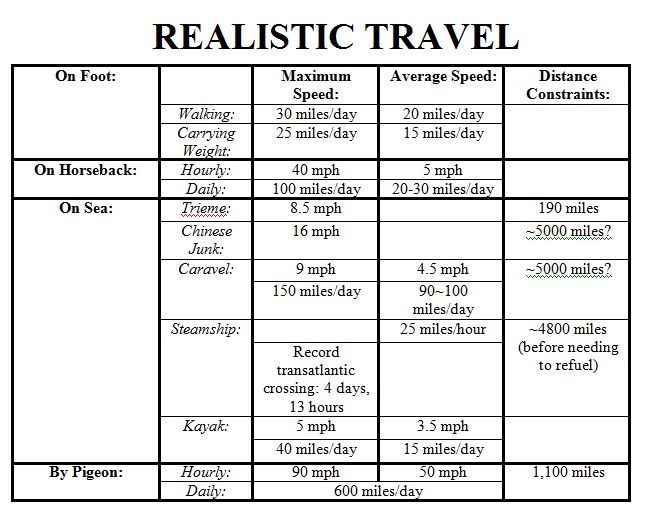
A table of realistic travel times.

Find out about real exotic and unknown places.

121) https://www.worldbuildingmagazine.com/
Magazine dedicated to worldbuilding.


Organizing your notes


The links below offer sites and apps to help you organize the information about your world or setting. Each has ups and downs, depends on what you're looking for.


Speculative Evolution


133) http://worldbuilders.info/
Collaborative project developing the planet Epona.

134) http://www.planetfuraha.org/
Project which develops the lifeforms of the planet Furaha.

136) https://sunriseonilion.wordpress.com/
Explore the planet Ilion.

137) https://speculativeevolution.fandom.com/wiki/Main_Page
Wiki focused on speculative evolution.

138) https://specevo.jcink.net/index.php
Forum about speculative evolution.

139) https://exobiotica.tumblr.com/
Fictional lifeforms.

140) https://seademons.weebly.com/
What if many of the legends regarding sea monsters were real?

segunda-feira, 17 de fevereiro de 2020

Cidades do Império III

Egrégora, a cidade sonhada.


Arganda: essa cidadela de dois mil habitantes faz parte do Cinturão do Pescoço, as defesas imperiais ao leste que visam proteger Ametís de bandidos khejali e migrações orcoides. Cada fazendeiro é um soldado cujo pagamento são as terras que possui, o prefeito é também o comandante das tropas. Vigias em torres altas e patrulhas montadas estão sempre prontos a anunciar o alarme contra inimigos. Todos lutam ou ajudam, mesmo as crianças aprendem a no minímo carregar munição e água para quem precisa. Ninguém anda desarmado, todos sabem como acender os fogos de artifício que clamam por ajuda ou anunciam grandes invasões. Canhões guardam as muralhas e arcabuzes lotam o arsenal. Os locais conseguem encarar orcs com coragem no coração e aço nos punhos. Assim é a vida na fronteira leste, a terra onde poucos se sacrificam para proteger muitos.

Balnea: petrópole de dois mil habitantes dentro da colina Karvea, onde o clã Karvea se dedica a hospedar viajantes cansados e doentes que buscam os banhos termais daqui. Os locais dizem que a própria Corallin abençoou as águas de um aquífero sob a colina, tornando-as quentes e curativas, ajudando contra as mais variadas moléstias e dores. Prova disso são as presenças das ninfas Demere e Monara, que administram os banhos. Poções destiladas destas mesmas águas são exportadas império afora, o dinheiro sendo doado para manter o templo de Corallin na maior câmara subterrânea, onde fica uma estátua da deusa toda feita de mármore e decorada com pedras preciosas. 

Citadela do Sol Negro: os thorakitai vivendo nessa petrópole são fervorosos adoradores de Nyxcilla, especialmente no seu aspecto de senhora da noite. A torre escondida nas profundezas subterraneas possui uma grande gema de obsidiana que absorve a escuridão. Quando grandes mecanismos movidos por cata-ventos a erguem ao raiar do sol, ela serve como um farol que emite escuridão ao redor da citadela. Quando saem da área escura, esses anões usam uma vestimenta cinza que cobre todo o corpo, deixando apenas os olhos, sempre negros, à vista. Eles são pacíficos e reclusos, não admitindo que estranhos adentrem a petrópole mas possuindo uma estalagem em uma caverna próxima. As camas costumam estar úmidas e o tradicional cozido de morcego e cogumelos é supreendemente gostoso, descrito como "amargo e rançoso mas ainda assim agradável ao paladar".

Cherocrates: uma cidade de cinco mil habitantes estabelecida em ruínas monumentais: a montanha local foi esculpida, não se sabe quando, em uma estátua do grande Idura. Os prédios ficam sobre o seu colo, e um córrego parte de sua mão esquerda, atravessa a cidade e termina em uma cachoeira descendo ao rio Othas. Muitos sacerdotes de Ourgos se empenham em restaurar a estátua à sua glória original, que incluía olhos feitos de ouro e um elmo revestido em bronze. Eles também investigam o interior do monte, cheio de túneis e relíquias pré-amarantas, esperando encontrar tesouros que financiem o seu objetivo. Recentemente, o culto de Diveus propôs ao prefeito pagar pela restauração, desde que o rosto da estátua fosse refeito na imagem de Diveus.

Comunhão: essa aldeia de seiscentos habitantes é secreta, um refúgio de escravos fugitivos onde todos têm cicatrizes e memórias amargas em comum: humanos, elfos, hobgoblins e muitos outros vivem em uma harmonia interracial que praticamente não existe império afora. Todos dividem o que possuem, ajudam-se e formam laços de amizade e amor. Pobres e sem recursos, improvisam armas rústicas enquanto treinam para lutar com mãos, pés, joelhos e astúcia, usando corpo e mente em expedições para libertar escravos em plantações próximas. Talvez a aldeia já teria sido descoberta e aniquilada se o Maruxo não gostasse dela. Ele já a visitou algumas vezes.

Dagathos: dois terços dos cento e trinta mil habitantes são fantasmas. Essa metrópole nas margens do rio Iara sofre de uma maldição mais antiga do que o império, em que aqueles que morrem aqui permanecem no mundo como fantasmas. Os mais antigos entre os mesmos formam um conselho administrativo. Numerosos cemitérios e catacumbas servem de lar aos espíritos dentro e fora das muralhas. Sacerdotes de Carnificius protestam há décadas com o senado, querendo exorcizar esses fantasmas para que eles reencarnem. Mas como Agathodaímon se tornou parte do império na condição de que os seus fantasmas fossem reconhecidos como cidadãos, o senado não está disposto a cumprir a exigência. Enquanto isso, a metrópole permanece um lugar once os ancestrais são reverenciados ao mesmo tempo que se reclama de como o cemitério vizinho faz barulho à noite.

Egrégora: ela fica no domínio dos sonhos, e o Império a esqueceu. A cidade interna é uma cripta gigantesca em um morro, do qual se pode ver a cidade externa. Ali ficam os egregorianos: aquilo que não está morto pode jazer eternamente. Essas pessoas hibernaram durante um ritual narcohipnótico e fizeram a cidade externa surgir através de um sonho coletivo que ninguém sabe dizer se foi intencional. Assim criaram uma cidade cuja arquitetura, ruas e prédios mudam toda noite. Um lugar onde alguém pode realizar os seus desejos, especialmente aqueles que nem sabia que tinha. Nenhum mapa consegue guiar até Egrégora, mas algumas pessoas sabem onde fica. Elas vão lá para adquirir mercadorias, desde a cerâmica rubra ao ópio negro, que não existem em nenhum outro lugar do mundo. É uma viagem perigosa da qual muitos não voltam, enjaulados pelas delícias da cidade.

Emeralve: uma utopia marítima, a "aldeia" de seiscentos habitantes foi erguida sobre o maior navio já construído por Viellvier, um casco de madeira viva cultivado a partir do mangue gigante. Aqui, ninguém precisa trabalhar, o navio provém tudo: galhos terminando em folhas rígidas servem de remos; o casco absorve água do mar e destila água potável; O leme encantado drena mana dos oceanos, armazenando magia que pode ser direcionada contra piratas; o cordame é feito de parreiras sempre a gerar mais uvas para vinhos. O mais próximo que Emeralve tem de um líder é a feidarash Esmeralda Chénac, uma ex-aventureira que queria apenas paz e amor após cem anos de aventuras em que acumulou a fortuna necessária para encomendar a embarcação. Reunindo amigos e familiares, ela agora quer navegar e conhecer os prazeres do mundo.

Gallga: quem se aproxima dessa cidadela pode estranhar a sua arquitetura. Dois quilômetros de muralhas, fossos, cinquenta e sete canhões, armadilhas,  cinco mil soldados, todos estão mirados para dentro. Isso é porque ela foi construída para impedir que nefilins saiam da enorme fenda na realidade no centro da fortaleza. Diversas tentativas de barrar a fenda, seja com tijolos ou magia, foram simplesmente devoradas. Ocasionalmente, aventureiros, herois, bravos e suicidas entram no portal para tentar descobrir como fechá-lo, mas quase ninguém conseguiu sequer voltar a Ghara. Os que o fizeram falam de um cânion com dentes que se extende de horizonte a horizonte, do qual exala um miasma ácido que digere qualquer coisa que não seja um nefilim. 

Kandelas: capital do ducado Andelus, governado pela dinastia de mesmo nome. Essa linhagem tem um costume sagrado e único: o sucessor de um duque falecido é a sua reencarnação, não importa a raça, sexo ou condição social. Após a morte do antigo duque, servos eunucos leais estão buscando o sucessor império afora, selecionando candidatos de acordo com adivinhações e testes esotéricos envolvendo pertences do duque anterior. As bocas alheias juram que os eunucos sabem como despertar memórias de vidas passadas em uma pessoa.

Lariana: uma cidade abandonada às margens do rio Icaúnna. O duque Alemenos Lárius tinha a ambição de criar uma capital para o seu ducado, construindo uma cidade do zero a partir de geometria sagrada. Arquitetos se guiaram pelos padrões astrológicos, sacerdotes aconselharam  e adivinhos profetizaram uma cidade maravilhosa. Uma metrópole capaz de abrigar cem mil: aquedutos ondulados que trazem água pura, paredes simétricas que bloqueiam os maus espíritos, torres espiraladas brilhando com energia positiva, até um labirinto fractal para prender o conceito de azar. O duque esgotou o seu dinheiro até em templos especialmente posicionados, lotados de doações aos deuses. Algo saiu errado. Começou como rachaduras estranhamente caóticas, que se alastraram pela cidade como uma lepra arquitetônica. Cada casa, prédio ou monumento afetado trazia má sorte aos seus ocupantes e quem ficava perto. A cidade inteira ficou deserta e arruinada em poucos anos, e nem bandidos ou corvos se aproximam do lugar. As bocas alheias dizem que o duque foi amaldiçoado pelos deuses por ousar criar algo perfeito. Os adivinhos que sobreviveram aos linchamentos dizem que ainda estão certos, Lariana será uma cidade maravilhosa... Após alguém resolver o mistério da sua maldição atual.

Mensur: com vinte e cinco mil habitantes, é a capital do ducado de Valera. A cidade é notável por sua lei mais famosa: o uso do duelo como qualificação para os cargos públicos. Tesoureiro, conselheiros, capitão da guarda etc, todos esses cargos são preenchidos pelos vencedores dos duelos oficiais realizados na arena local. As armas preferidas são espadas, mas outros tipos são aceitos. Cada duelo pode ter certas condições e regras estabelecidas entre os duelistas: uso ou não de magia, armadura, condições de derrota etc.  Como resultado, o número de escolas de esgrima é o dobro do que se esperaria, e espadachins e aventureiros costumam visitar a cidade para testar as suas habilidades ou enfrentar os funcionários públicos.

Myrmida: uma petrópole que fica em Ka'aari, habitada por cinco mil thorakitai governados por um conselho de druidas. A colina inteira é um cupinzeiro de cupins gigantes que vivem em simbiose com os anões. Visitantes precisam usar bálsamos para exalar os feromônios que induzem os insetos a não atacar. A petrópole coleta material do cumpinzeiro para fazer ótimas cerâmicas que comercializa através de caravanas puxadas por cupins até Caledôn. 

Neuta: com dez mil habitantes, fica ao sul das Cristas da Mandíbula, logo aos pés das montanhas. Ela é conhecida por abrigar um templo de Diveus construído pela Ordem Prismática, todo feito de vidro, piscinas de mercúrio, espelhos, lentes convexas e caleidoscópios enormes, onde a Sua Luz é refletida, dispersa, concentrada e examinada. Os sacerdotes estudam luz em todas as suas facetas, cores e formas, tentando descobrir mistérios luminosos divinos e ganhar o favor do deus-sol. Eles constantemente alteram a estrutura do templo de múltiplas maneiras, criando espetáculos luminescentes que tanto atraem multidões de peregrinos quanto chegam a cegar alguns fiéis que então se dizem abençoados. O templo também é uma arma, capaz de focar feixes de luz de tal modo que pode queimar, uma façanha usada para as execuções locais e contra trolls vindos das montanhas. 

Orosius: quem passa pelas colinas de Muneas pode encontrar uma cidadela, de cinco mil habitantes, centrada não em um castelo, mas em um monte onde se sacrificam armas e armaduras para Camulus desde tempos imemoriais. Pelo menos as bocas alheias dizem que é um monte. Se ele realmente existe, está enterrado sobre inúmeras armas e armaduras das mais variadas origens, tamanhos, tipos e materiais, desde panóplias de bronze amarantas até arquebuzes com cano de adamante. Todo o equipamento sacrificado aqui é ritualmente danificado e maldições terríveis caem sobre aqueles que tentam roubar algo. Contudo, pessoas guiadas por visões já retiraram e consertaram itens daqui sem sofrer nenhuma punição divina.

Phalerum: essa petrópole de trinta mil habitantes foi escavada nas Falésias Brilhantes, um conjunto de penhascos juntos ao Golfo de Nyxcilla, na região de Caledôn. Veios de quartzo brotando da rocha foram encantados para absorver energia geomântica da terra, para então brilhar mais forte do que qualquer farol. Cavernas semisubmersas servem de portos. Elevadores movidos por moinhos d'água levam e trazem pessoas e mercadorias até a superfície. Phalerum é o maior porto da região, e um dos poucos lugares no Império onde se constroém os raros navios de concreto anões.

Platoa: onde conhecimento é mais valioso do que ouro. Uma metrópole de cem mil habitantes, todos os nobres do ducado de Plátano vivem aqui, disputando quem possui os melhores conhecimentos, professores e filósofos. Sacrifícios fartos são feitos a Devinci, confrarias do saber são contratadas e aventureiros treinados por guildas de exploração recebem missões de resgatar tomos antigos escritos em línguas extintas e relíquias do outro lado do mundo. Essa competição sem fim substitui a intriga, busca de status e acúmulo de futilidades de outras nobrezas. E para quem busca descobrir algo, Platoa é uma mina de ouro. As bocas alheias dizem que Platoa já esqueceu mais do que outras metrópoles jamais aprenderam. A metrópole possui três vezes mais livros do que habitantes, detalhando os mais diversos assuntos, espalhados pelas bibliotecas aristocráticas. Acessá-los geralmente envolve trazer um saber que o dono ainda não possua, às vezes roubado de outra coleção. 

Rochélle: capital do ducado Felníel, fica em uma ilha do rio Trançado. As plantações humanas desse ducado se especializam em produzir tecidos a partir de linho e lã. Na capital, centenas de casas-torres thorakitai fabricam roupas, enquanto os elfos experimentam com criações de cochonilhas e camaleões gigantes para fabricar novos pigmentos. A cidade de cinquenta mil habitantes é considerada um exemplo de como as raças unidas se tornam algo maior do que a mera soma das partes. Claro, os inúmeros escravos goblinoides são praticamente ignorados nessa equação. 

Sebastiana: uma metrópole de cem mil habitantes às margens do rio Trançado, aparentemente leal ao Império. No entanto, as bocas alheias falam da lenda do "Rei Adormecido": quando a cidade foi conquistada, trezentos anos atrás, o rei, sua corte, alguns guerreiros leais e muitos súditos fiéis escaparam para o subterrâneo da cidade. Segundo alguns, eles ainda estão lá, mantendo uma "subcorte" sob a terra, esperando a sua chance de retomar o reino. Não é claro se o rei original extendeu a sua vida de alguma forma ou se o "subrei" é um descendente. O fato certo é de que a lenda estimula a existência e vinda de exilados, rebeldes e descontentes à metrópole.

Sem-Fim: essa não é uma cidade convencional, mas uma caravana de dezenas de milhares de pessoas e animais de todos os tipos, espécies, raças, nações e tamanhos. Aonde ela para, vira uma cidade de acampamentos, tendas, barracas e quiosques, vendendo e comprando produtos e serviços dos mais variados: desde couro cru para sapatos até pepitas de adamante; desde rumores e segredos de estado até escravos guarda-costas; de flechas de seiva-vidro a pedaços de golens; de formigas na brasa a fadas presas em gaiolas de ferro-frio. Não menos de quinze enormes carruagens-templos lideram a caravana, cada uma movida por magia divina e hospedando um profeta de Palpaleos que prediz o clima, possíveis perigos, fontes de água e o preço dos grãos na próxima cidade. Mas esses poderes trazem uma condição: a caravana nunca pode ficar mais do que três dias parada. As bocas alheias dizem que essa caravana consegue desbravar caminhos e regiões que ninguém mais consegue, como as matas infestadas de orcs e fadas de Viridis Orcum. Também dizem que a caravana já cruzou toda a Rota do Marfim mais de uma vez.

Trullan: a maioria dos escravos locais são trolls. Essa cidade de cinco mil habitantes foi estabelecida em um pântano drenado que outrora foi um santuário feérico. A concentração de magia feérica faz com que surjam muitos trolls na região, às vezes no porão de uma casa! Ao invés de exterminá-los, a população escraviza os monstros para trabalhos braçais. Para garantir a segurança, muitos habitantes carregam tochas ou frascos de fogo alquímico. Basta brandir uma tocha acesa na direção de um troll ranzinza para mantê-lo sob controle.

Tumbargia: essa cidade de cinco mil ex-habitantes deixou de ser há muito tempo. Uma epidemia matou muitos e afugentou o restante. O culto de Carnifícius declarou a cidade "morta", e invocou um ritual para enterrá-la como se fosse um imenso cadáver. As ruas, as casas, a praça central e os mortos, tudo está sob a terra. A cada dez anos, o culto contrata aventureiros para averiguar as condições da ex-cidade, assim como encontrar sinais de vida que sinalizem a hora da cidade renascer. A hora da próxima investigação se aproxima.

Yar-Lhamses: uma comunidade de três mil shardokans que fica em um enorme castelo nas encostas da montanha Yar-Lha, que eles adoram como uma deusa. Embora se considerem parte do império, eles rejeitam o panteão nortenho, devido à sua crença de que a própria montanha, outrora solitária, deu à luz aos anões pré-shardokan em seus túneis mais profundos. O seu isolamento e disposição em pagar tributos ao império manteve a paz até agora, mas a crescente colonização nortenha da cordilheira têm trazido colonos intolerantes das crenças dos anões. É questão de tempo até acontecer algum incidente. A comunidade é liderada e protegida por um grupo de anões, campeões divinos de Yar-Lha, portando espadas e armaduras cristalinas que eles dizem serem presentes da própria montanha. A montanha em si teria um avatar na forma de uma linda anã de vestido vermelho, carregando uma bola de granizo em uma mão e uma lança cristalina na outra, capaz de voar em relâmpagos.  

Zaratan: as bocas alheias dizem que Nyxcilla certa vez devorou uma das raras tartarugas marinhas gigantescas que existem nos oceanos de Ghara. O casco veio a encalhar aqui, uma praia da costa de Caledôn, e atualmente abriga uma pequena cidade de mil habitantes. O crânio semisubmerso do animal foi convertido em um templo para a deusa dos oceanos, onde sacerdotes com tridentes sacrificam animais terrestres para apaziguar o fenômeno chamado "Vórtice Dançante", um redemoinho que muda de lugar e que afunda embarcações passando pela região. Os aldeões sempre suspeitam de visitantes, pois enfrentam a ameaça de um culto necromântico que visa reanimar o esqueleto. 

Cherocrates.

domingo, 16 de fevereiro de 2020

Golfo dos Sargassos e Costão de Távira

 https://ahigherstrangeness.files.wordpress.com/2015/05/sargasso-lawson2.jpg


As árvores quase crescem a olhos vistos. Minadas pelas ondas e golpeadas pelos ventos, são lançadas ao mar inteiras, carregando bolsões de terra úmida. Continuam a flutuar de pé, com um emaranhado de cipós entre os galhos ásperos que mais parece uma armadilha para o cordame de uma caravela. Os abalmianos chamam-nas de "greenbergs". Um deles me disse que ao invés do gelo que derrete em alto-mar, essas ilhas ambulantes podem acumular algas marrons de odor podre, detritos carcomidos, carcaças de baleias e um navio ou dois; caranguejos gigantes e umóks amigáveis já foram encontrados nelas.
-Diário de bordo do galeão pirata Bardylis, capturado pela marinha imperial em 1413.

Esta região de naufrágios, árvores flutuantes e feras marinhas é o porquê de navios que partem do império a Kavaja não poderem usar de cabotagem. Além dos "greenbergs", as correntes traiçoeiras entre os corais e a violência dos ventos prometem desastre e perdição; sempre há o temor de que uma ilha logo além das áreas perigosas se revele como o dorso de um monstro marinho incomodado pelos intrusos que queimam o deu dorso com uma fogueira. A camada de algas que cobre a água é grossa o suficiente em algumas áreas para suportar o peso de uma pessoa, mas além de ser pegajosa, basta um passo em falso para ficar enredado em algas ou submergir no mar abaixo. Por estas e tantas outras razões que alguém ouve nos bares dos portos, rotas que contornem Ka'aari só são seguras para navios que possam seguir pelo mar aberto.

Uma linha de quinze faróis demarca a fronteira entre o sucesso e o desastre de uma viagem. Pilares erguidos e abençoados pelo culto de Ourgos ficam sobre rochedos pouco abaixo da superfície, encimados por prismas que brilham devido ao poder de Diveus. Dia sim, dia não, são desgastados por ondas que se elevam acima do farol quando arrebentam. As expedições de reparos são tão ingratas e perigosas que são compostas de aventureiros guardando escravos motivados pela promessa de liberdade no retorno.

Costão de Tavira

Esse é o único porto seguro no Golfo dos Sargassos, mas mesmo assim, apenas embarcações de calado pequeno conseguem chegar até as docas. Uma cidade umók estabelecida sobre e em volta de um enorme sambaqui em forma de ferradura, que por sua vez cobre um recife. O sambaqui cresceu ao longo de centenas de gerações de umóks até se tornar um ilhéu. Além de conchas vazias e ossos de peixes, aqui fica um templo a céu aberto dedicado aos ancestrais, pois os umóks enterram os seus mortos no sambaqui. Dezenas de embarcações encalhadas ao longo dos anos foram viradas de ponta cabeça e erguidas sobre palafitas para servirem como casas. Aquacultura e pesca sustentam cerca de vinte mil habitantes. Eles criam peixes em gaiolas flutuantes e ostras em cordas submersas. Potes de cerâmica servem de armadilhas para lagostas e polvos. Bosques de algas alimentam e provém ingredientes alquímicos.

O folclore oral umók conta que o recife já foi uma ilha, mas três terremotos em sequência a submergiram, junto com uma cidade chamada Pavlopetri. As ruínas da mesma podem ser vistas através da água límpida. Portas e janelas enormes sugerem que os antigos habitantes eram gigantes. A cidade tinha ruas pavimentadas, um porto, oficinas de cerâmica, muralhas e forjas onde se trabalhava o bronze. O topo de uma grande torre torta fica acima da água, servindo de salão para o conselho dos anciões que governa a cidade.

Costão tem várias mercadorias para quem para aqui. Rações de peixe e alga secos; expedições baleeiras trazem muita carne, óleo, cetina e ossos à cidade, quando voltam; artesãos que fabricam as canoas catamarãs características da raça; marujos, caçadores e guias experientes; os umóks criam ostras, usando técnicas secretas para induzir pérolas de muitos tamanhos, formatos e cores específicos, incluindo variações exclusivas para sacrifícios a Nyxcilla; a raça anfíbia também instalou muitas redes e armadilhas em certos pontos para prender itens à deriva, seja madeira à deriva, polvos, canoas abandonadas, botas de couro, lagostas ou baús caídos de navios. Das ruínas submersas, eles recuperam grandes ânforas contendo broches de prata, armaduras de bronze, cadáveres, lâminas de lanças, lingotes de cobre e até machados dourados, tudo do tamanho apropriado para gigantes.

Um produto local exclusivo é o narcótico iakca, extraído de moluscos venenosos. Ele provoca uma grande euforia que é intensificada por adrenalina, gerando grande felicidade em situações de vida ou morte como a caça de baleias, duelos e conflitos. Muitas tribos guerreiras de Ka'aari buscam adquirir estoques de iakca.

A riqueza acumulada pelo comerciante e líder local, Pérolos de Ergas, é tanta que já comprou um título de visconde, reformou um galeão em uma fortaleza flutuante e tem a atenção de uma clientela tão rica quanto influente na política nortenha. O nobre exótico criou uma milícia anfíbia, usando alabardas, elmos e escudos feitos de cascos de tartaruga, e couraças de latão adornadas por pérolas vermelhas e negras. Têm muita experiência em caçar piratas, contrabandistas e caranguejos gigantes em meio às algas, manguezais e um cemitério com lápides feitas no formato de âncoras que acomoda tanto pessoas quanto barcos.

sexta-feira, 14 de fevereiro de 2020

Bazar das Fadas

Um mercado localizado em algum ponto de Numéria. Um lugar cheio de criaturas impossíveis e maravilhas perigosas, onde você pode trocar uma memória amarga pelas cinzas de um elemental d'água. Portais que dão acesso a esse empório estão espalhados pelo mundo, mas sempre em locais inesperados e liminares, tal qual um porão em uma casa decrépita nos limites da floresta, e apenas durante o pôr do sol. Cada portal exige um enigma, um sacrifício e um combate para ser usado.

Uma frota de navios-fantasma tripulados por bruxos, os Caleuches, viajam mundo afora à noite, raptando crianças, atraindo viajantes, atacando comunidades costeiras e saqueando navios afundados. Tudo o que eles adquirem acaba à venda no Bazar. Um Caleuche é um navio branco imaculado e brilhante com sons de festa que consegue submergir e desaparecer sem deixar rastros da sua presença.

https://upload.wikimedia.org/wikipedia/commons/thumb/5/59/The_Flying_Dutchman_by_Charles_Temple_Dix.jpg/640px-The_Flying_Dutchman_by_Charles_Temple_Dix.jpg

O Bazar e os seus portais são protegidos por guardas que não podem viver sem comida e bebida temperados com especiarias feéricas. As mesmas tem sabores e cheiros ilusórios que variam de pessoa para pessoa, mas sempre intensos e viciantes. Muitos dos guardas foram crianças raptadas por fadas. Para alguns, isso aconteceu ontem. Para outros, dois mil anos atrás.Até as montarias que eles usam, que vão de girafas a pégasos, são crianças que foram transformadas em animais. Você consegue ver isso nos seus olhares que suplicam por ajuda.

O Bazar é administrado pela Rainha do Inverno e o Rei do Verão, dois Entes Reais de grande poder que assumem formas humanóides com traços élficos.

O Rei do Verão é gracioso e terrível. Ele representa mudança e energia, caos e emoção. A sua corte de lordes e damas feéricas fica em meio a uma selva cheia de criaturas exóticas, desde corvos espiões tagarelas a lacraias-hidra que adoram filosofar. A Rainha do Inverno é linda e fria como uma geleira. Ela representa estagnação e entropia, ordem e lógica. O seu palácio de gelo é povoado por garotos e garotas que ela trata como filhos e filhas. Para alguns deles, isso é muito melhor do que a vida anterior. Outros só querem voltar para casa. Durante o outono e a primavera, ambos reúnem os seus lacaios e lideram uma viagem pelo mundo, a Caçada Selvagem. Não se sabe o que eles buscam. Talvez a Caçada seja apenas uma distração, mas por onde ela passa, surgem desastres e guerras, embora para certos povos seja um sinal de fortuna e boa sorte. Pessoas que se deparam com a Caçada são abduzidas pelas fadas e forçadas a participar.

quarta-feira, 1 de maio de 2019

Harems of the Kosinbian Princes


    Each prince or princess of Kosinbia has a harem. Most people inside them belong to two groups:
  • Individuals with useful skills to the power and administration of a principality. Pyrographers, hunters, tribal leaders, craftsmen, generals, adventurers, pyromancers, etc. The reliable and competent people that any ruler needs to keep his position and/or the safety and stability of his principality, are united through the bonds of matrimony. Many of said bonds are symbolic, having more in common with the oaths of fealty towards a suseran than a relationship based on love.
  • People without anything or anyone. Orphans, cripples, exiled foreigners. The harem is a charity which receives certain people and offers them a home, food, perhaps some kind of education or training, in exchange for service to the prince or princess.

Amazons of Danxome


Do you see the officers decorated with cowry shells and ruby teardrops? They are from the principalities' harems. Most are women because there are currently more princes than princesses. No kosinbian would fight for someone which isn't willing to suffer personal sacrifices. With the harems here, they know that fighting the orcs is more important than going against rival tribes.
-Common instruction to the newcomers at the Sacrificial Bastions.


     The most famous harem's members are the Ahosi, nicknamed "amazons", of the Danxome principality. Being at the extreme north of Kosinbia, it shields the other principalities from the orc migrations. This results in many orphans and widows. The 12º danxomian prince started the tradition of sheltering these women in his harem, training them so they might seek revenge against the orcoids. Candidates become amazons' aprentices. When one of them kills a beast such as a crocodile, lion, hippopotamus, rhino or elephant, and presents the animal to the prince, she becomes part of the harem. At the wedding cerimony, the prince gifts his new wife with: sword, spear, repeater musket, cowry crown, ammunition and either armor, scepter, drum or shield made from the gifted animal. Many Ahosi are virgins and decided to never give birth, although the relation between an amazon and her aprentice(s) is similar to adopting a daughter. The sacred status of the Ahosi is confirmed when they receive blessings from Kahonua, such as: pyroclastic ammunition, hollow lava balls filled with an incandescent liquid which burst in impact; or brigandine and padded armor made from "Kahonua's hair", light and golden fibers of volcanic glass. Many amazons defend the Sacrificial Bastions, others spend months inside the Orcoid Belt and some travel to outside Kosinbia, exterminating orcs all over the continent.